About Naturopathic Care
Naturopathic Medicine is a distinct system of care that blends conventional medicine with natural and integrative therapies such as herbs, nutrition, and lifestyle counseling. Naturopathic medicine is a part of integrative medicine in many hospitals and health care systems. Integrative medicine combines natural healing practices with conventional medicine.
Nutrition is very important in naturopathic medicine. You can expect to discuss your diet in detail during your first visit, and answer questions about your nutrition. These questions may also touch on how you feel after eating certain foods, and any supplements you take.
You will also spend time discussing your symptoms. You might discuss your sleep, energy levels, stress, exercise habits, and digestion. Different forms of testing may be considered. Naturopathic medicine differs from conventional medicine in how it treats illness. The focus is on natural therapies rather than drugs or surgery (NDs in the state of Pennsylvania do not prescribe medications), and the therapies utilized are tailored to the individual and their unique concerns.


Naturopathic modalities
NDs may use a variety of therapies or modalities, including:
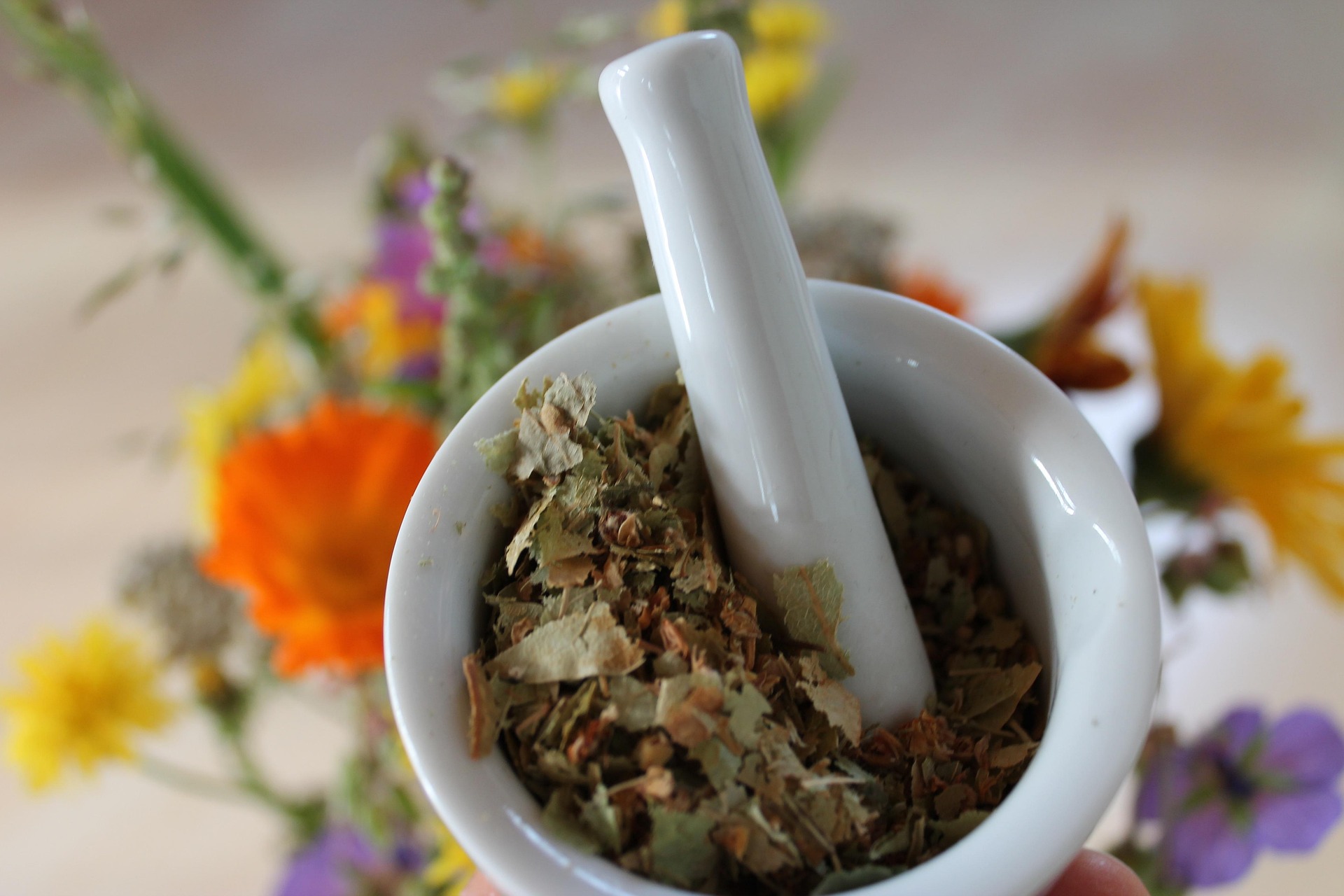
· Botanical medicine.
· Homeopathy.
· Hydrotherapy.
· Lifestyle changes, such as dietary changes and exercise.
· Nutritional supplements.
· Mind body therapies.
· Stress reduction techniques, such as deep breathing or mindfulness meditation.
Naturopathic Oncology
What IS a fabno?
A Fellow of the American Board of Naturopathic Oncology is a naturopathic doctor who has met specific standards with advanced experience and knowledge in oncology care. Fellowship designation requires completion of a 2 year naturopathic oncology residency, or 5 years of oncology focused practice with 5000 patient contact hours, and oncology case submissions/presentations. All FABNOs pass a board certification exam. Fellows of the American Board of Naturopathic Oncology (FABNOs) meet the highest standards of the naturopathic profession as specialists in naturopathic oncology.
For more information, please click here.
What areas might Naturopathic care address?
- Reduce or prevent side effects from treatment
- Support immune function
- Avoid interactions between medications and supplements or other therapies
- Help support energy levels
- Assist with recovery from treatments or surgeries
- Improve sleep
- Improve stress management
- Help address nausea, constipation, or diarrhea
- Address questions about information found on internet (or from other sources) regarding alternative or integrative therapies
- Help support good nutrition
- Look for ways to help improve treatment response
- Look at strategies to help with future cancer prevention

What does the research show?
Clinical studies have demonstrated that integrating naturopathic care into a person’s healthcare plan is safe, feasible, and provides a number of benefits for people with various health concerns and conditions. This includes people with cardiovascular disease, autoimmune disease, chronic pain conditions, anxiety, diabetes, and cancer.
What Training Do Naturopathic Doctors Receive?
Naturopathic doctors complete a 4-year undergraduate degree with standard pre-medicine prerequisites, then a 4-year graduate-level program at a residential naturopathic medical school accredited by the US Department of Education, earning a doctorate degree in naturopathic medicine (ND).
Naturopathic medical schools provide of a minimum of 4,100 hours of classroom and clinical training. During naturopathic medical school, students are educated in biomedical sciences as well as natural therapies. In addition to a standard medical curriculum, these schools require their graduates to complete four years of training in a number of natural modalities, including clinical nutrition, acupuncture, homeopathic medicine, botanical medicine, physical medicine, and counseling. For at least the final two years of this program, naturopathic medical students intern in clinical settings under the close supervision of licensed professionals, receiving at least 1,200 hours of supervised and hands-on clinical training.
Additional Resources:
For more information on the education and training requirements for naturopathic doctors, see https://aanmc.org/, the website of the Association of Accredited Naturopathic Medical Colleges.
Note regarding Pennsylvania:
Until the state of Pennsylvania begins licensing naturopathic doctors, Khara Lucius ND continues to hold a license to practice naturopathic medicine in the state of New Hampshire. This means that all consultations provided are educational in nature, and no medical care of any kind is provided.
Additional information on the status of the naturopathic profession in Pennsylvania can be found at https://panaturopathic.com/, the website of the Pennsylvania Association of Naturopathic Physicians.